

 Best seller
 Best seller
What Color Light Is Best For Sleep: Sleep Quality Tips

For anyone seeking a better night's rest, the answer might be as simple as changing the color of your light. In our modern, always-lit world, the hues that fill our evenings have a profound effect on our ability to unwind and drift off. This guide illuminates the science behind light colors and sleep, giving you the knowledge to transform your bedroom into a sanctuary for slumber. Whether you're battling insomnia, working irregular hours, or simply want to optimize your rest, discover how to harness the power of light for deeper, more restorative sleep.
Why Does The Color Of Light Affect Sleep?
Light color affects sleep because our eyes are directly connected to the brain's master clock, the suprachiasmatic nucleus, which governs our circadian rhythm. This internal clock uses light cues to regulate the production of melatonin, the key hormone that signals sleepiness. Short-wavelength blue light is particularly effective at suppressing melatonin, tricking the brain into thinking it's still daytime. In contrast, long-wavelength colors like red and amber have a much weaker effect on this system, allowing melatonin levels to rise naturally as evening falls. By carefully choosing the light we expose ourselves to at night, we can work with our biology, not against it, to encourage natural sleep.
What Are The Worst Light Colors For Sleep?
-
Blue Light: The primary sleep disruptor, abundant in smartphone, tablet, and computer screens. It directly inhibits melatonin production, alerting the brain and delaying sleep onset.
-
Cool White Light: Common in many LED and fluorescent bulbs, this light has a high concentration of blue wavelengths, making it similarly disruptive to pure blue light in the hours before bed.
-
Green Light: While less potent than blue, studies show green light can still slow the release of melatonin and cause shifts in circadian rhythms, making it less than ideal for a sleep environment.
-
Bright White LED: Often used for task lighting, these bright, cool-toned LEDs are designed to promote alertness, which is the opposite of what you want when preparing for sleep.
-
Fluorescent Light: The intense, flickering quality of many fluorescent lights can be overstimulating to the nervous system, making it difficult to achieve a state of relaxation conducive to sleep.
What Color Light Is Best For Sleep?
Red light is overwhelmingly the best color for promoting sleep. Its long wavelength has the most negligible impact on the pineal gland's melatonin production compared to all other colors. This makes it ideal for bedroom lighting, night lights, and even the dim display on a clock radio. The warm, soothing quality of red light is not only scientifically supportive but also psychologically calming, helping to signal that the day is over and it's time for the body and mind to power down for the night.
Can Warm-Toned Lights Like Orange, Amber, or Pink Lights Also Improve Sleep?
Absolutely. Warm-toned lights such as orange, amber, and pink are excellent choices for supporting sleep. These hues contain very little of the sleep-suppressing blue wavelength, allowing your body's natural melatonin production to proceed unimpeded. They create a soft, cozy ambiance that psychologically encourages relaxation and signals the brain to begin winding down. Incorporating these colors into your evening lighting—through dimmable lamps, smart bulbs, or specific night lights—is a simple yet highly effective strategy to build a sleep-conducive atmosphere and ease the transition into restful slumber.
Color Temperature & Sleep Impact Chart
|
Color |
Temperature (Kelvin) |
Sleep Impact |
|
Blue Light |
5000K - 6500K |
Bad for Sleep |
|
Cool White LED |
4000K - 5000K |
Bad for Sleep |
|
White Light |
3500K - 4500K |
Bad for Sleep |
|
Green Light |
5000K - 5500K |
Bad for Sleep |
|
Fluorescent Light |
5000K - 6500K |
Bad for Sleep |
|
Pink Light |
2000K - 3000K |
Good for Sleep |
|
Orange Light |
2000K - 2700K |
Good for Sleep |
|
Amber Light |
1800K - 2200K |
Good for Sleep |
|
Red Light |
1000K - 2000K |
Good for Sleep |
This chart illustrates a clear trend: lower color temperatures (warmer hues) are best for sleep, while higher color temperatures (cooler hues) are disruptive.
Is Green Light Worse Than Blue Light For Sleep?
No, green light is not worse than blue light for sleep; blue light remains the most disruptive. However, this doesn't make green light "good" for sleep. While its impact on melatonin is less dramatic than blue's, research indicates that green light exposure can still suppress the hormone and shift your circadian clock. The key takeaway is that both should be minimized before bedtime. For optimal sleep hygiene, it's best to consider all cool-toned lights—including blue, green, and bright white—as unhelpful in the evening, and to prioritize warmer, longer-wavelength colors instead.
What Color Light Do Night Lights Use?
Modern, sleep-friendly night lights almost exclusively use warm colors like red, amber, and deep orange. These specific hues provide enough illumination to safely navigate a dark room without sending alerting signals to the brain. Unlike the blue or green indicators found on some older electronics, these warm-toned lights are designed with circadian health in mind. They offer a practical light source that minimizes physiological disruption, ensuring a quick trip to the bathroom doesn't turn into a struggle to fall back asleep.
Sleep Quality Tips
-
Craft a Consistent Sleep-Wake Schedule: Aim to go to bed and wake up at roughly the same time, even on weekends. This regularity strengthens your body's internal clock, making sleep more reliable.
-
Design a Pre-Sleep Wind-Down Ritual: Dedicate the last 30-60 minutes before bed to calming activities. This could include reading a physical book, gentle stretching, listening to soothing music, or meditation to quiet a busy mind.
-
Engineer the Ideal Sleep Cave: Make your bedroom a haven for sleep. This means a cool temperature (around 65°F or 18°C), using blackout curtains to achieve total darkness, and eliminating noise with earplugs or a white noise machine.
-
Enforce a Digital Curfew: Power down all phones, tablets, and laptops at least one hour before bedtime. If you must use a device, enable a "night shift" mode that reduces blue light and dim the screen brightness significantly.
-
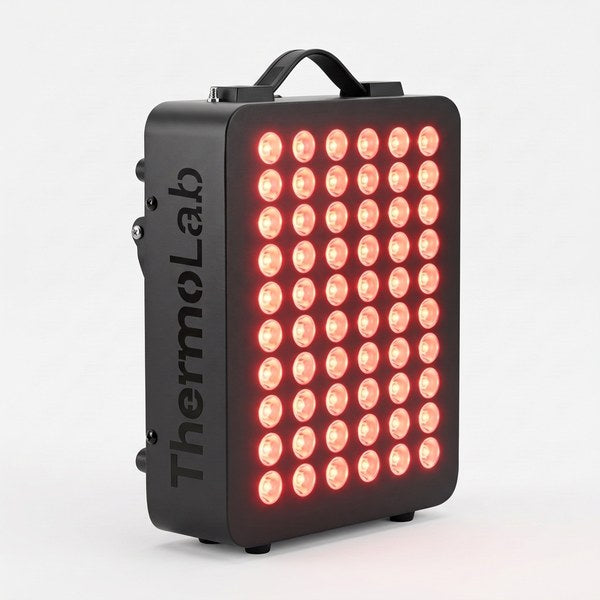
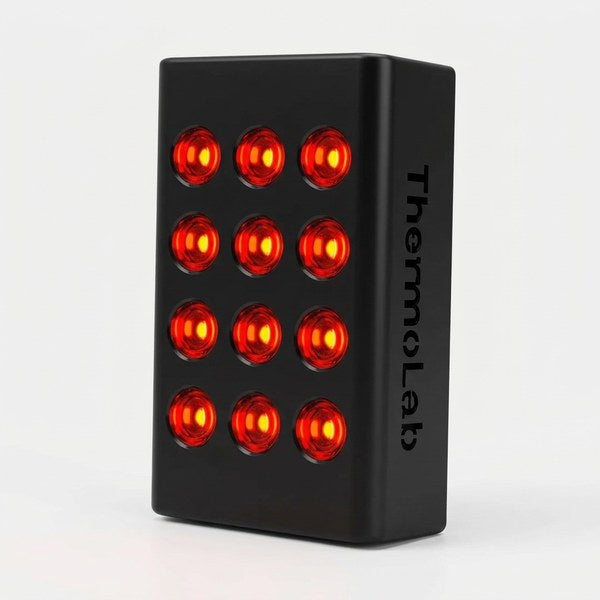
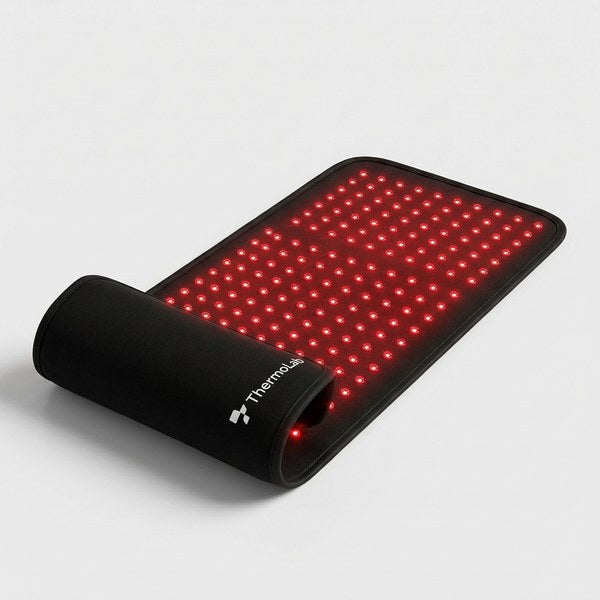
Explore the Soothing Power of Red Light: Consider incorporating a dedicated red light device into your evening routine. The gentle emission can provide a calming ambient glow that actively supports your body's natural progression toward sleep.
Conclusion
The path to better sleep is often illuminated by the right kind of light. By consciously shifting our evening environment away from stimulating blues and cool whites and towards calming reds and ambers, we can powerfully support our natural sleep-wake cycle. When combined with other good sleep hygiene practices—like a consistent schedule and a optimized bedroom—this simple change can be transformative. Embracing these principles allows us to reclaim our nights, leading to more restorative sleep and more energized, productive days.
Final Thoughts
Ready to transform your sleep environment with scientifically-informed solutions? At The Thermo Lab, we fuse cutting-edge research with practical design to support your wellness journey. Explore our curated selection of wellness tools designed to help you create the perfect conditions for rest and recovery. From ambient lighting options to our full spectrum of thermal technology, find the ideal fit for your lifestyle and take the next step towards mastering your sleep.

