

 Best seller
 Best seller
Ice Bath & Sauna: The Complete Contrast Therapy Guide (UK 2026)
Alternating between sauna and ice bath — known as contrast therapy or contrast bathing — is one of the most-studied recovery protocols in sports science. It's the routine Cristiano Ronaldo, LeBron James and most Premier League first teams follow. Andrew Huberman talks about it weekly. NHS physios are starting to recommend it for chronic pain.
The good news for UK readers: you don't need a Nordic spa or a cryotherapy chamber. With the right home setup, you can run a proper contrast protocol from your kitchen or garden — and the science says you'll see results within 2-4 weeks.
This guide covers the science, the protocol, the mistakes to avoid, and how to set up contrast therapy at home in the UK.
What is contrast therapy?
Contrast therapy is the practice of deliberately exposing the body to heat (sauna) followed by cold (ice bath or cold shower), repeated in cycles. The cycle counts as one round; most protocols call for 3-4 rounds per session.
The mechanism is simple: heat causes vasodilation (blood vessels expand, blood flow surges to the skin and muscles), then cold triggers vasoconstriction (vessels rapidly contract, redirecting blood to your core organs). Doing this back-to-back acts like a pump on your circulatory and lymphatic systems — forcing blood, nutrients and metabolic waste to move through tissue faster than your body normally allows.
The science: what contrast therapy actually does
Research over the past decade has documented several measurable effects:
- Norepinephrine release — cold exposure triggers a 200-300% increase in norepinephrine, a neurotransmitter linked to focus, mood and energy. The effect lasts for hours.
- Reduced muscle soreness (DOMS) — a 2017 meta-analysis in the British Journal of Sports Medicine showed contrast therapy reduces post-exercise muscle soreness by 26% on average vs. passive recovery.
- Increased BDNF — brain-derived neurotrophic factor, a key driver of neuroplasticity. Heat-cold cycling has been shown to elevate BDNF significantly.
- Heat shock proteins — sauna sessions trigger HSPs that protect cellular structures and slow ageing markers.
- Improved cardiovascular adaptation — the rapid vasoconstriction/dilation acts as cardiovascular interval training without the physical exertion.
- Mental resilience — cold exposure builds tolerance to stress hormones, with effects that transfer to everyday situations.
The longevity researcher Dr Andrew Huberman has dedicated several podcasts to deliberate heat and cold exposure as a foundational health practice — with contrast therapy as the higher-impact compound version.
Contrast therapy benefits
- Faster muscle recovery after training
- Reduced inflammation in joints and connective tissue
- Improved mood and focus for hours after a session
- Better sleep quality when done in the late afternoon or early evening
- Boosted immune function through increased lymphatic flow
- Stress resilience — trains your nervous system to handle stress more effectively
- Cardiovascular fitness without high-intensity exertion
The protocol: how to do contrast therapy correctly
Protocol matters more than most people realise. The biggest mistake is too much cold, too little heat, or rounds that are too short to trigger the physiological response.
The classic Finnish protocol (recommended for beginners)
- Sauna: 10-15 minutes at 70-90°C — sweat fully, get your heart rate up
- Cold: 1-3 minutes at 8-12°C (ice bath, cold plunge, or cold shower)
- Rest: 1-2 minutes at room temperature
- Repeat: 3-4 rounds total
- Total session: 45-75 minutes
The advanced protocol
For experienced users only — longer rounds, deeper cold:
- Sauna: 20 minutes at 80-95°C
- Cold: 3-5 minutes at 5-10°C
- Repeat: 4-5 rounds
Critical rules
- Always end on cold. Ending on cold maximises the dopamine surge and the post-session focus benefit. Ending on heat just leaves you sleepy.
- Never jump straight into cold without warming up first. The shock can be dangerous — the warm-up cycle prepares your cardiovascular system.
- Stay in cold for at least 1 minute. Anything less and your body doesn't trigger the full norepinephrine release. The first 30 seconds will feel awful — push through.
- Hydrate aggressively. A 60-minute session can pull 1-1.5 litres of water out of you via sweat.
- Avoid contrast therapy if pregnant, with severe heart conditions, or on medication that affects blood pressure. Talk to your GP first.
How to set up contrast therapy at home in the UK
You don't need a Nordic spa. You need two things: a sauna you can actually use daily, and a cold-water source you can step straight into.
The sauna side
Traditional saunas are expensive (£5,000+) and need installation. A more practical UK home setup is a portable steam or infrared sauna:
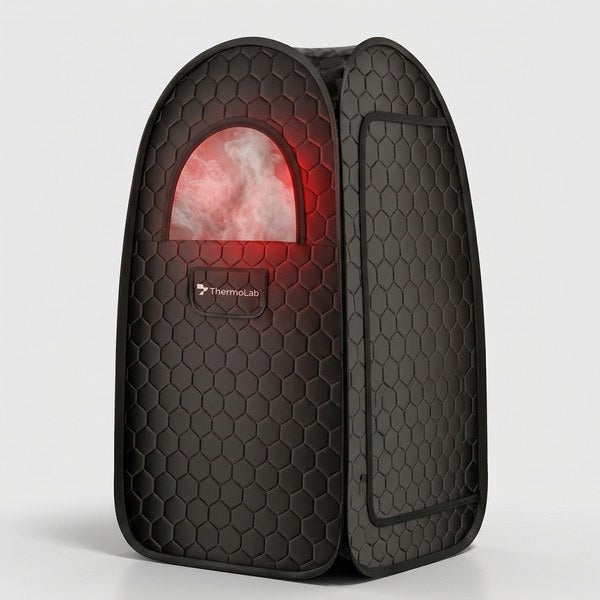
- ThermoLab Pop-Up Steam Sauna (£154.99) — sets up in 2 minutes, 1000W generator, fits in any spare room. Most popular contrast-therapy setup with our customers.
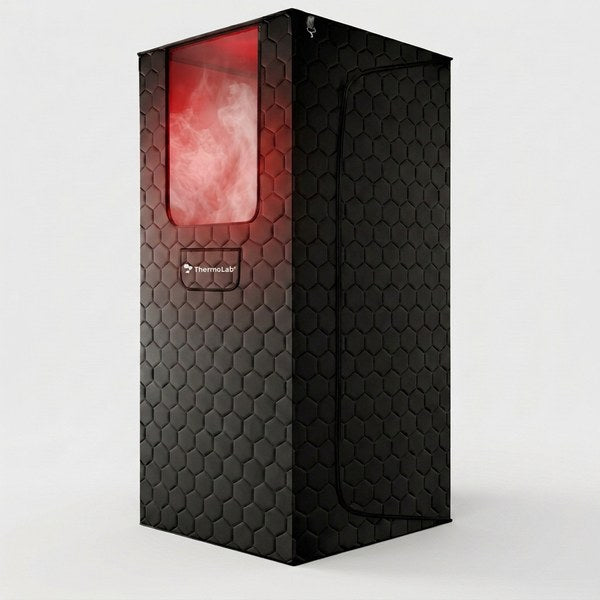
- ThermoLab 6FT Pro Sauna (£199.99) — full stand-up, 1200W, deeper sweats for the advanced protocol.
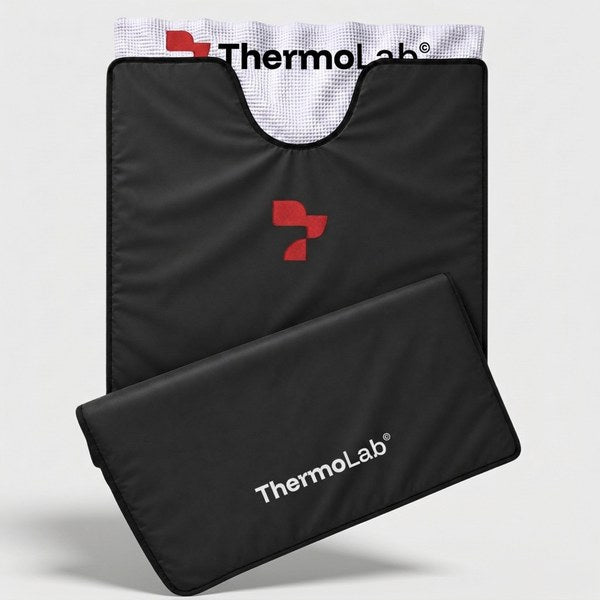
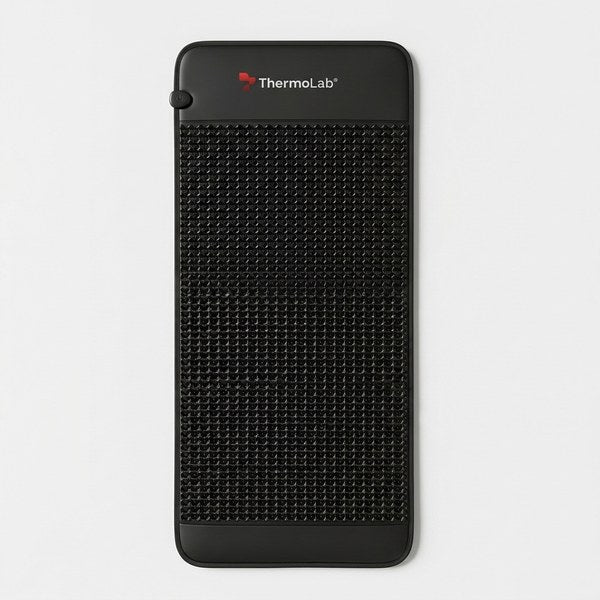
- ThermoLab Sauna Blanket — if you genuinely can't fit a tent, the blanket gives you 90% of the heat benefit.
The cold side
Three options depending on your budget and setup:
- Budget option: an end-of-shower cold blast (2-3 minutes, full cold, after your sauna). Works but limited surface area.
- Mid-tier: a galvanised steel cold plunge tub from any UK garden/equipment supplier (£150-£300). Fill with cold water and add bagged ice from your freezer or local shop. Most practical for daily use.
- Premium: a chilled cold plunge with built-in cooling unit (£1,500-£4,000). Maintains 5°C automatically, no ice needed.
For most UK customers starting out, the combination of a ThermoLab Pop-Up Sauna + galvanised tub with bagged ice delivers a full contrast protocol for under £500 total — less than a single month's gym membership at most premium chains.
When to do contrast therapy
- Post-workout — best for recovery, but wait 30-60 minutes after training so your body has stopped its own recovery process
- Morning — great for focus, energy and mood, sets up the whole day
- Late afternoon — ideal for sleep prep when done 3-4 hours before bed
- Avoid right before bed — the norepinephrine surge will keep you awake
Frequently asked questions
How often should I do contrast therapy?
3-4 sessions per week is the sweet spot. Daily is fine but watch your recovery — contrast therapy is mildly catabolic when overdone.
How long before I see benefits?
Mood and focus effects are immediate (same session). Recovery and inflammation benefits show within 2-4 weeks of consistent use. Cardiovascular adaptation takes 8-12 weeks.
Is it safe?
Yes for healthy adults. Avoid if you have severe cardiovascular conditions, are pregnant, or are on medications that affect blood pressure. Discuss with your GP first.
Sauna first or ice bath first?
Always sauna first. Cold first is unsafe — your body isn't warmed up and the cardiovascular shock can be dangerous.
Do I need to do all 4 rounds?
No. Start with 2 rounds for the first 2 weeks, build to 3-4 rounds. Listen to your body.
Can I use red light therapy with contrast?
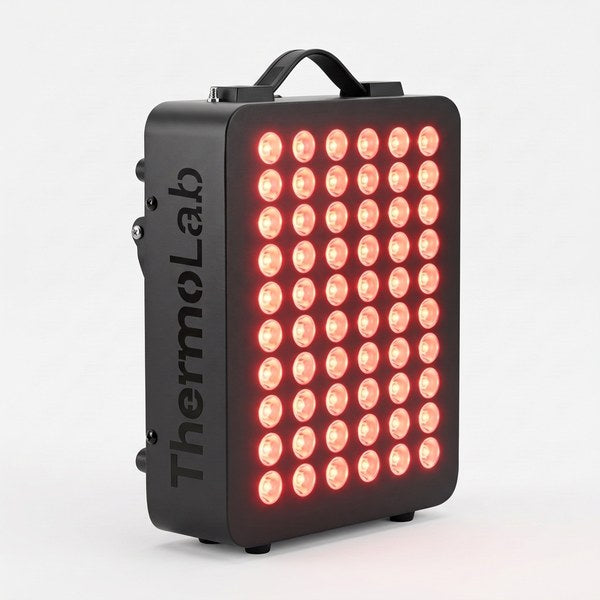
Yes — stack a red light session before or after your contrast routine for compounded recovery. The Aura Pro 300W works well for this.
The bottom line
Contrast therapy is one of the most cost-effective, well-researched recovery and longevity protocols you can run at home. With the right setup, you can build a daily routine for under £500 that delivers benefits competitive with £150-per-session spa visits.
Start with the classic Finnish protocol (10 min hot, 1-3 min cold, 3 rounds), pick the right sauna for your space, and commit to 4 weeks before judging the results. Your recovery, mood, and sleep will tell you everything you need to know.

