



 Best seller
 Best seller
Infrared Sauna at Home: The Complete UK Buyer's Guide (2026)

Infrared Sauna at Home: The Complete UK Buyer's Guide (2026)
Infrared sauna ownership in the UK has grown over 200% since 2023. The category that used to be reserved for spas and clinics is now a fixture in spare rooms, garages, and even small London flats. But with prices ranging from £150 portable tents to £6,000 cabin builds, choosing the right infrared sauna for your home is harder than it should be.
This guide cuts through the marketing. It covers the three core types of home infrared sauna sold in the UK, the science behind why infrared works differently from traditional steam, the realistic costs of owning and running one, and the certifications you should never buy without. By the end you'll know exactly which type suits your space, your goals, and your budget.
What Is an Infrared Sauna — and How Is It Different from a Traditional One?
A traditional sauna heats the air around you to 80-100°C, which then heats your body. An infrared sauna does the opposite — it uses infrared light to heat your body directly, while the ambient air stays at a comfortable 45-60°C. The result: you sweat just as much, your core temperature rises the same way, but the experience is significantly more tolerable, especially for first-time users.
There are three wavelength bands in infrared therapy:
- Near-Infrared (700-1400 nm) — penetrates 1-3 mm into the skin, supports cellular energy production and surface skin renewal
- Mid-Infrared (1400-3000 nm) — penetrates deeper, supports circulation and pain relief
- Far-Infrared (3000-100,000 nm) — penetrates muscle and joint tissue, drives the deep sweat response
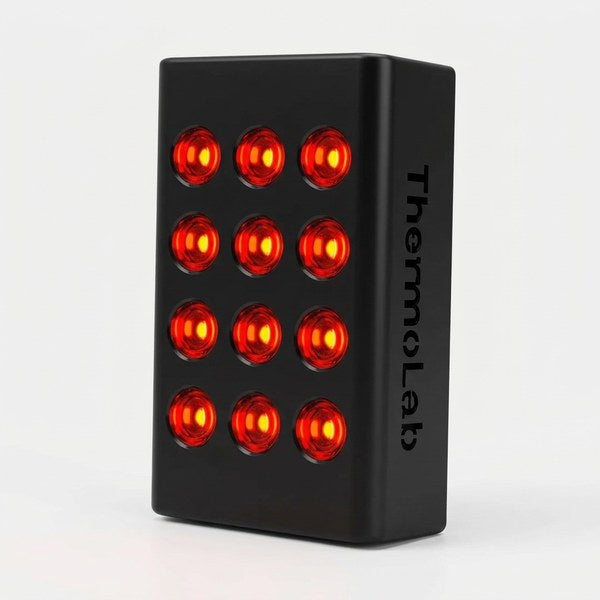
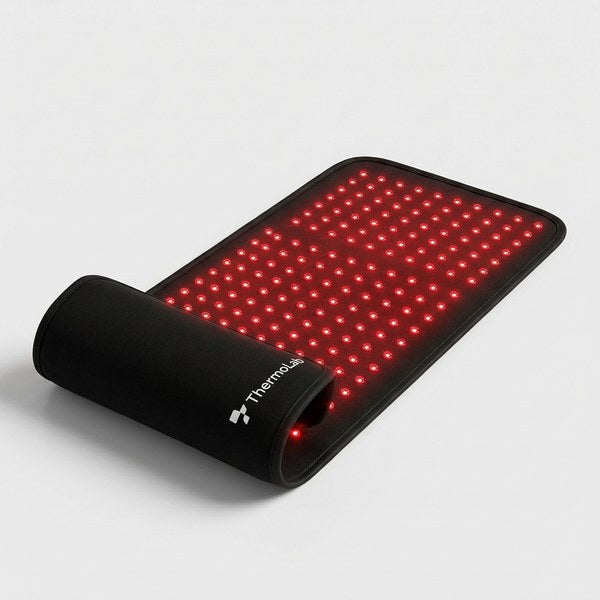
Most home units use either far-infrared only, or a combination of near and far. The ThermoLab range uses 660nm Red + 850nm Near-Infrared across the LED panels, and dedicated 850nm panels inside the sauna tents.
The Three Types of Home Infrared Sauna Available in the UK
1. Portable Pop-Up Sauna Tents (£150-£300)
Folding fabric tents with a built-in steam generator and an infrared panel. Sets up in two minutes, folds away in five. Designed for users who want the benefits without sacrificing floor space.
Best for: Renters, small flats, people new to infrared who want to try before committing to a cabin.
Watch for: Wattage (under 800W is too weak), insulation layers (single-layer fabric loses heat fast), warranty length (anything under 2 years signals cheap build).
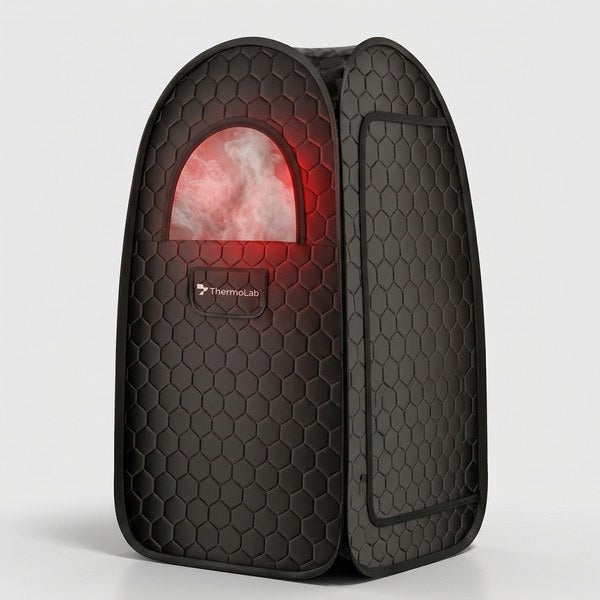
The ThermoLab AuraCore Pop-Up Sauna is the entry-level UK option in this category — 1000W generator, 2.6L tank, quad-layer 4.8mm sponge-core insulation, 850nm infrared LED, 3-year UK warranty.
2. Stand-Up Pole-Frame Saunas (£200-£600)
One step up from pop-ups: a 6-foot pole frame that assembles in 15 minutes without tools, with a more powerful steam generator and a built-in infrared panel. You can stand inside rather than sit, and sessions run longer at a higher temperature.
Best for: Users 6ft+, anyone who finds pop-up tents claustrophobic, serious daily users.
Watch for: Power output (1200W+ for meaningful heat-up time), water tank size (3L minimum for 60-minute sessions), pole material (steel poles last; plastic warps within months).
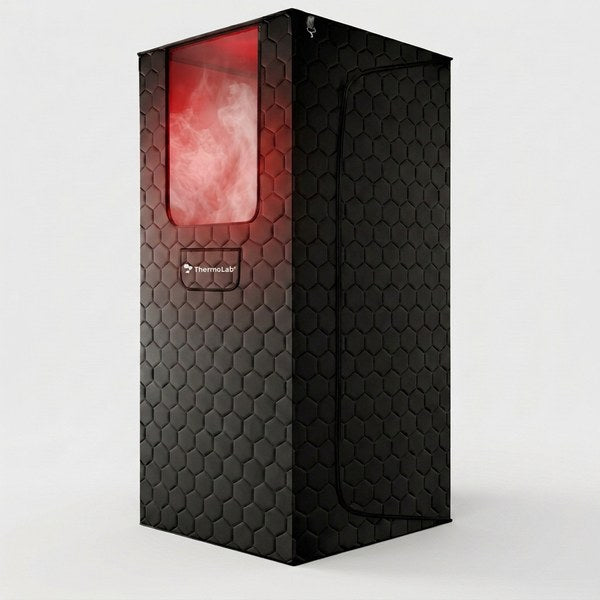
The ThermoLab 6FT Pro is the UK market leader in this category — 1200W, 3L tank, 850nm infrared LED panel, UKCA + CE + RoHS + FCC certified, 3-year warranty.
3. Wooden Cabin Saunas (£1,500-£6,000)
Permanent or semi-permanent wooden cabins, typically with carbon or ceramic infrared heaters. Built for installation in a dedicated room. Higher power output, full body capacity, often seats two or more.
Best for: Homeowners with dedicated space, multi-user households, long-term wellness investment.
Watch for: EMF readings (cheaper carbon panels emit high EMF — look for low-EMF certified), installation requirements (some need a dedicated 30A circuit), wood quality (Canadian Hemlock holds up; budget plywood doesn't).
The Real Cost of Owning a Home Infrared Sauna
The purchase price is the easy bit. The full cost picture for UK owners breaks down like this:
- Electricity: A 1000W sauna run for one hour costs roughly £0.30 at average UK rates (Q1 2026). At 4 sessions per week that's £62 per year.
- Replacement parts: Steam generators have a typical lifespan of 3-5 years. Filters and heating elements may need replacement every 12-18 months.
- Water: Steam-based units use 2-3 litres per session. Negligible cost but worth knowing for water-meter homes.
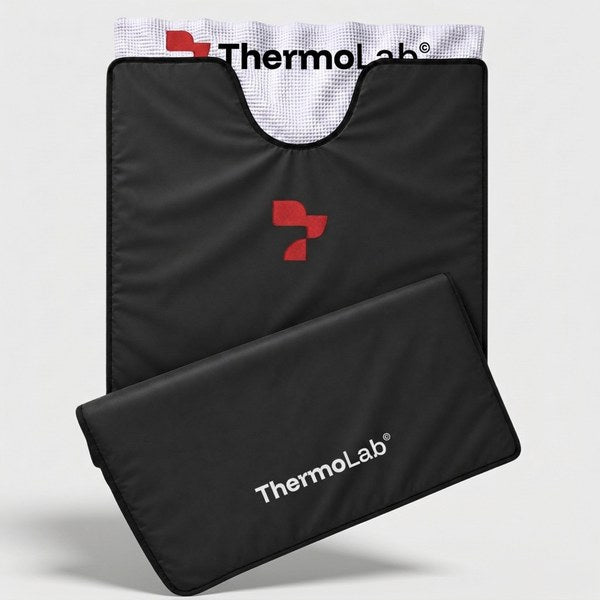
- Maintenance: Cotton inserts or towels to keep the interior fresh — typically £20-£40 per year.
Certifications to Check Before You Buy
This is where the UK market gets ugly. Many imported saunas sold on Amazon UK and TikTok Shop do not carry the certifications legally required to sell electrical goods in the UK. If your sauna isn't certified, you have no consumer protection and your home insurance may be invalid if anything goes wrong.
Required certifications for a UK home sauna:
- UKCA — UK Conformity Assessed, the post-Brexit replacement for the EU CE mark for goods sold in Great Britain
- CE — required for Northern Ireland and EU sales, also accepted in UK during the transition period
- RoHS — Restriction of Hazardous Substances, confirms no lead/mercury/cadmium above legal limits
- FCC — for any unit with electronic controls, confirms it doesn't emit electromagnetic interference
Every ThermoLab sauna and infrared product carries all four certifications. Always ask for documentation before purchase.
How to Choose: A Quick Decision Framework
Three questions get you to the right product:
- Do you have a dedicated 1m × 1m of floor space? If yes, a 6FT Pro stand-up is the best long-term choice. If no, a pop-up that folds away is the right call.
- Will you use it 3+ times a week? If yes, invest in 1200W+ for fast heat-up. If it's 1-2 times weekly, a 1000W pop-up is plenty.
- Are you over 6ft tall? If yes, pop-ups will feel cramped — go straight to a 6FT Pro.
The Bottom Line
For most UK buyers, the right entry point is a pop-up or 6FT Pro stand-up sauna in the £150-£300 range. They deliver 80% of the benefits of a wooden cabin at 10% of the cost, fit in any home, and let you build a daily sauna habit without remortgaging.
If you want to see what a proper UK-designed, UKCA + CE + RoHS + FCC certified infrared sauna looks like with a 3-year warranty backing it, take a look at the ThermoLab sauna range — built specifically for UK home use, supported by a real UK team.
Frequently Asked Questions
How long should an infrared sauna session be?
Start with 15-20 minutes for the first two weeks, then build up to 30-45 minutes. Most regular users find 30 minutes 4 times a week is the sweet spot.
Is infrared sauna safe daily?
For healthy adults, yes. The infrared spectrum used in home saunas is the same wavelength as natural sunlight at sunrise/sunset. People with cardiovascular conditions, pregnant women, and anyone on medication that affects body temperature should consult their GP first.
Can I use an infrared sauna for weight loss?
Sauna sessions burn 300-600 calories per hour through the cardiovascular response, similar to a moderate walk. They're not a replacement for diet and exercise, but they support recovery and circulation that makes both easier.
What's the difference between red light therapy and an infrared sauna?
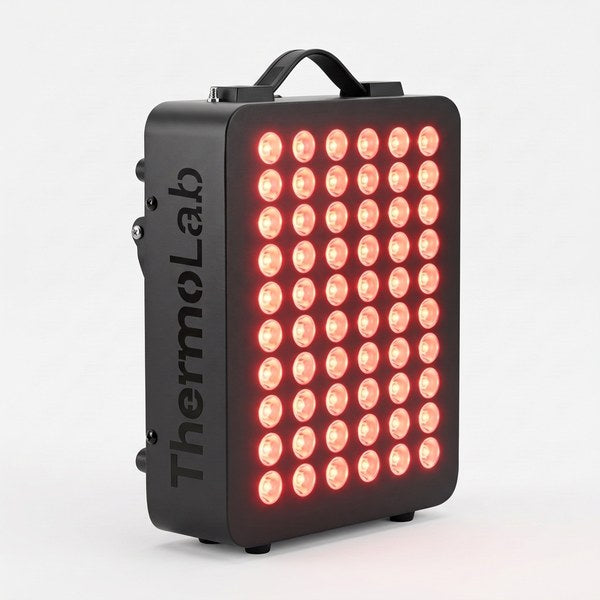
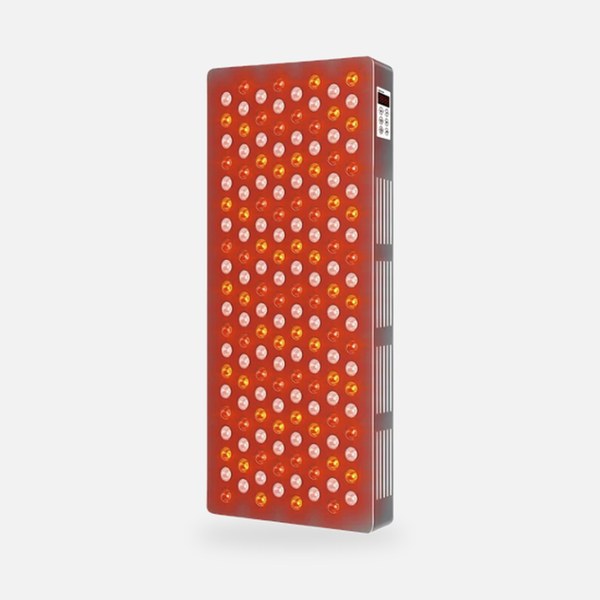
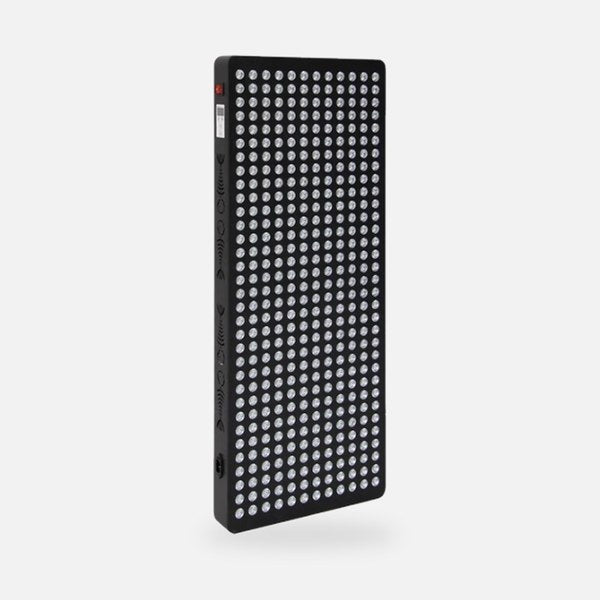
Red light therapy (660nm) targets the skin and surface tissue. Infrared sauna (850nm + heat) targets the deeper muscle and circulatory system. Many users combine both — a red light panel for daily skin and recovery sessions, an infrared sauna for the deeper detox and stress response. The ThermoLab Aura Pro 300W covers the first use case, the sauna range covers the second.

