

 Best seller
 Best seller
Red Light Therapy for Skin: What It Does, What It Doesn’t, and How to Use It Properly
Red light therapy for skin has gone mainstream. It's in spas, dermatology clinics, and now home panels. The marketing promises everything from erasing wrinkles to clearing acne to regrowing hair. Some of that is real. Some of it is hype. Here's an honest account of where the evidence is solid and where it's speculative.
The mechanism — why light affects skin at all
Skin cells, like all cells, contain mitochondria. The chromophore cytochrome c oxidase, embedded in the mitochondrial membrane, absorbs red and near-infrared light and uses that energy to produce more ATP — essentially more cellular fuel. Light-energised cells produce more collagen, repair faster, and show reduced inflammatory signalling.
This isn't a marketing claim. It's photobiology — the same process that underpins most of the clinical literature on photobiomodulation.
Where the evidence is strong
Collagen and skin texture. Multiple randomised controlled trials — including a well-cited 2014 study published in Photomedicine and Laser Surgery — show measurable increases in collagen density and improvements in skin texture after consistent red light therapy. The effect is real, though incremental over weeks and months.
Wound healing. Red light therapy accelerates healing of cuts, abrasions, and post-procedure skin (post-laser, post-microneedling, post-surgery). This is why many dermatologists now incorporate it into recovery protocols.
Acne. Red light reduces inflammation; for inflammatory acne — the red, raised, painful kind — red light alone has shown benefit in clinical trials. For non-inflammatory acne (blackheads, whiteheads), the evidence is thinner. If you have serious cystic acne, light therapy is a useful adjunct, not a replacement for proper dermatological treatment.
Rosacea and redness. Several studies show red light reduces the redness and sensitivity associated with rosacea. The mechanism is likely reduced inflammation and improved barrier function. This is an underreported application.
Hair loss. FDA-cleared red light devices for androgenic alopecia exist. The evidence supports stimulation of hair follicles in the early-to-mid stages of hair thinning. It doesn't work on follicles that are already dormant, but used early, it's a legitimate intervention.
Where the evidence is weaker
“Skin tightening.” Claims about dramatic tightening are often overstated. Collagen support is real; the effects are generally subtle rather than surgical.
Pigmentation / hyperpigmentation. Results on pigmentation are inconsistent. If hyperpigmentation is your primary concern, IPL or targeted laser treatments have a stronger evidence base.
How to use red light therapy for skin specifically
Distance: 10–30cm from the panel. For skin applications, you don't need to be as close as for muscle or joint work. 15–20cm is a comfortable, effective range.
Session length: 10–15 minutes per area, 3–5 times per week. For the face, 10 minutes is typically enough.
Eyes: Use appropriate protective goggles or keep your eyes closed. Do not stare into the panel. Near-infrared light is invisible but reaches retinal tissue.
Consistency over intensity: Three 10-minute sessions per week for 12 weeks will produce noticeably better results than daily sessions for two weeks and then nothing. Skin remodelling takes time.
Combine with, don't replace: Red light therapy works well alongside a good skincare routine. Sunscreen, hydration, retinoids if you use them — these still matter.
Skin type and tone
Some earlier studies on RLT and skin used predominantly lighter-skinned participants. Melanin absorbs light, which means individuals with darker skin tones may need slightly longer sessions or closer distances to achieve the same depth of tissue stimulation. The effects are still real across skin tones — the protocols just need adjusting.
Realistic timeline
- Weeks 1–4: Skin may feel more hydrated; some people notice slight improvement in tone
- Weeks 4–8: Reduction in minor redness and surface inflammation; texture improvements beginning
- Weeks 8–16: Collagen effects becoming visible; cumulative improvements in skin quality
- Beyond 16 weeks: People who stick with it consistently report the most significant changes
The people who report no results are almost always either inconsistent, using under-powered devices, or expecting transformation in two weeks. Set realistic expectations and commit to 12 weeks minimum.
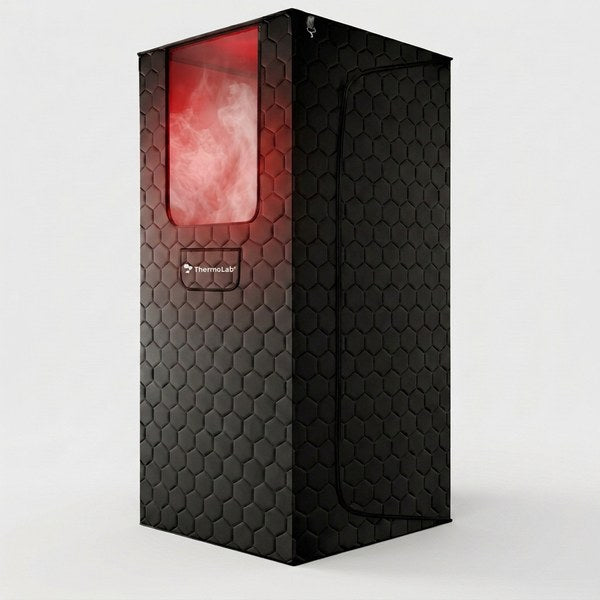
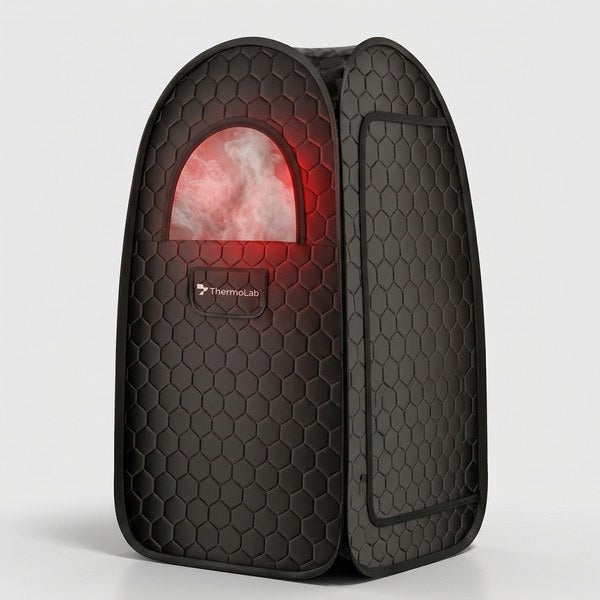
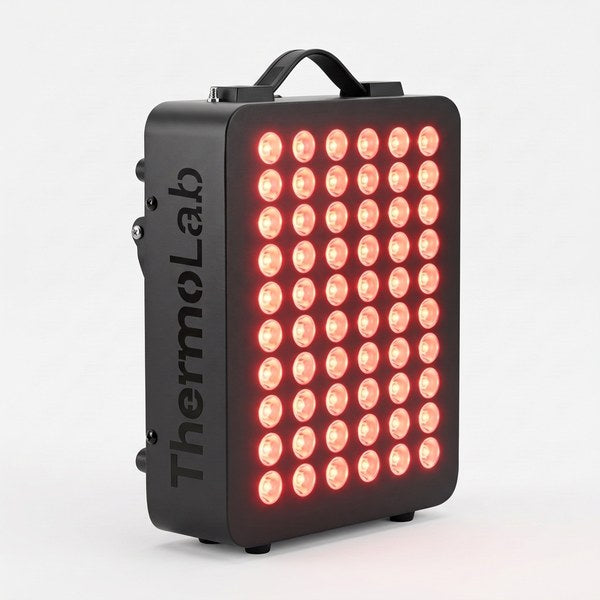
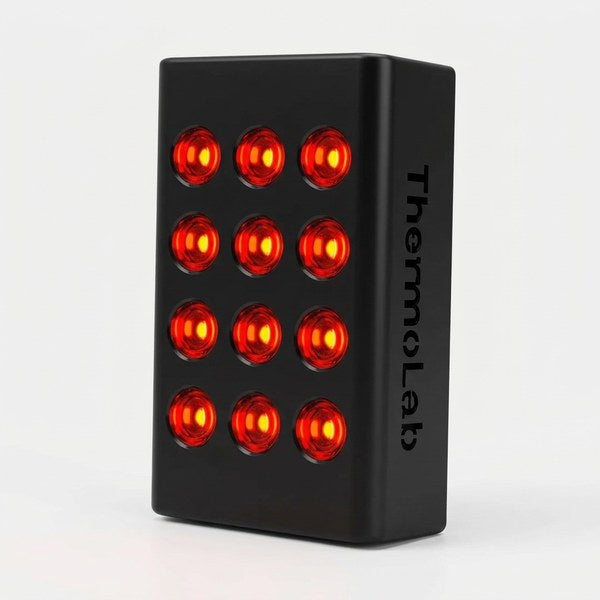
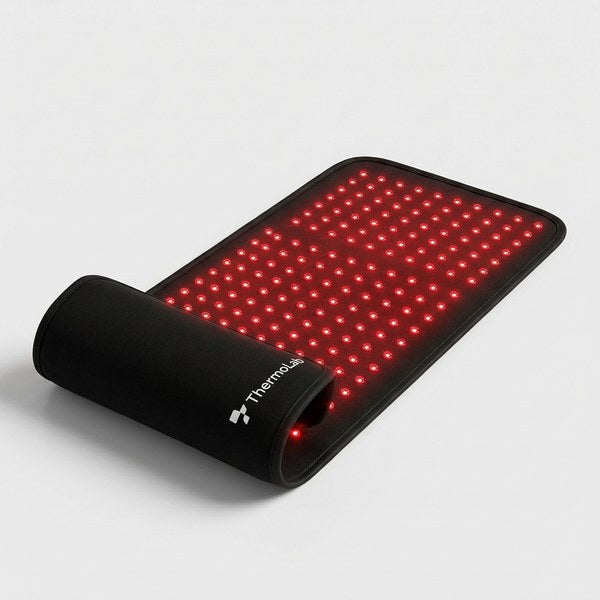
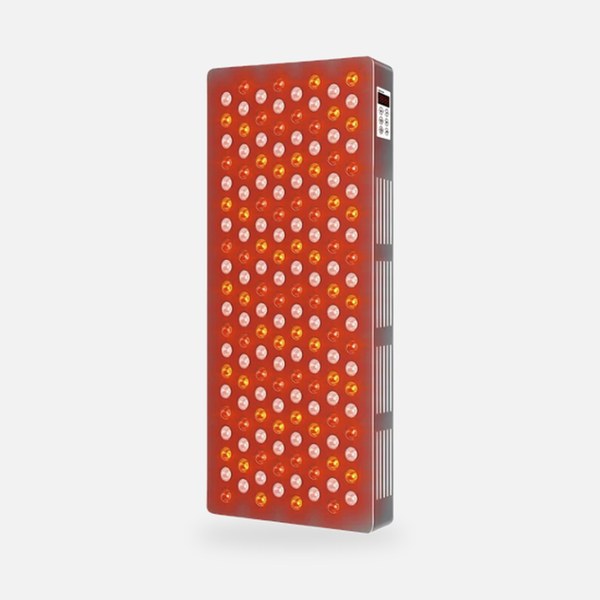
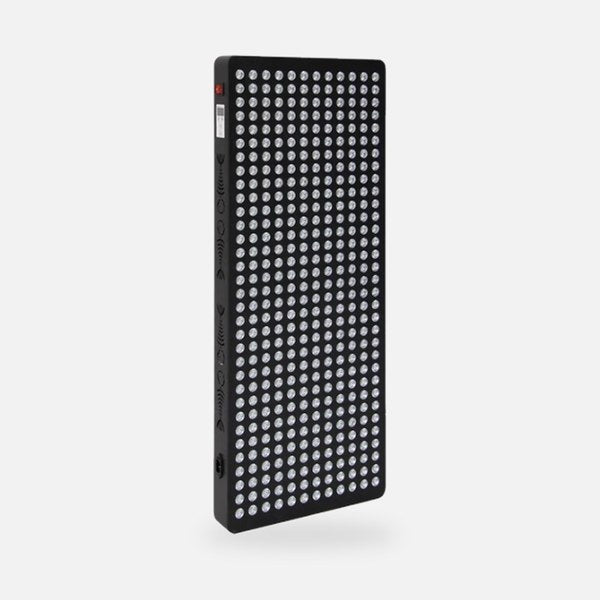
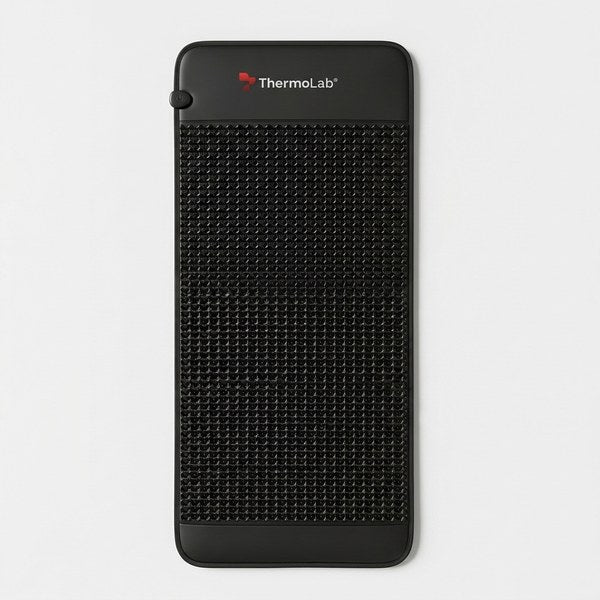
ThermoLab panels are designed for full-body use, including face and skin. If you're using it primarily for skin, the smaller format panels work well — you don't need a full-body panel to treat your face and neck.

